

.png)
Categories
Relocation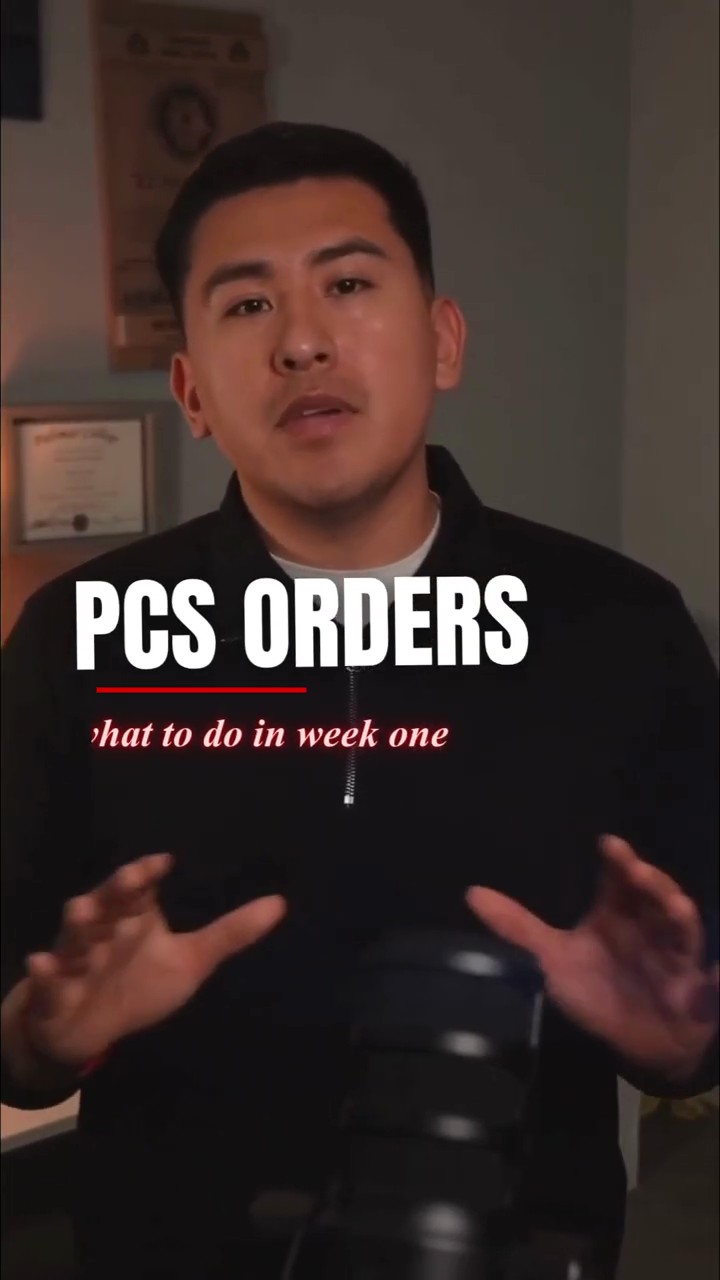 You just got orders. You have maybe 60 days. You're about to buy a home in a city you've never lived in, and everyone around you has a different opinion about where to start first. The agent says call me first. Your buddy says just look at Zillow. Your spouse found three houses already.
Here's what actually matters in week one and it's not the house search.
Headed to Pendleton? My PCS to Camp Pendleton guide covers housing, BAH and house hunting leave in one place.
Start With Your Preapproval. Before You Look at a Single Listing.
This is the step most military buyers either skip or push to the end, treating it like paperwork they'll deal with when they find something they like. That's the wrong order, and it costs people more than just time.
In most active markets right now, sellers won't seriously consider an offer that doesn't come with a preapproval letter. That's not a formality. That's the entry requirement. You could find the right house on day three, write an offer, and get immediately passed over for a buyer who had their financing confirmed before they started looking.
With a VA loan specifically, there's more to verify upfront than with a conventional loan. Lenders need to confirm your Certificate of Eligibility, your entitlement status, your service documentation, and how your income is structured especially if any of it includes BAH, BAS, or tax-free disability pay. If you wait until you've already found the house, you're now running all of that in parallel with a live offer clock ticking. That's where things fall apart.
Getting preapproved before you search means none of that is a surprise. It means your agent knows what you're actually working with. It means when the right house comes up, you can move fast because everything is already in place.
Preapproval Gives You the Real Number Not the Number You Think
There's a gap that catches PCS buyers off guard: the difference between what they think they can afford and what the lender will actually back up.
BAH helps. But it rarely covers a full monthly payment once you factor in taxes, homeowner's insurance, and HOA fees which vary significantly by market. Here's what that math often looks like in practice:
| Monthly Cost Component | Common Assumption | What It Often Looks Like |
|---|---|---|
| Principal + Interest | Matches BAH exactly | Close, but varies by rate |
| Property Taxes | Not considered | $200–$600/month depending on state |
| Homeowner's Insurance | Not considered | $80–$200/month |
| HOA (if applicable) | Not considered | $0–$500+/month |
| VA Funding Fee (if not exempt) | Rolled in, forgotten | Adds to loan balance and payment |
If there's a gap between BAH and your actual monthly payment, you need to know that before you fall in love with a house that won't work. The preapproval conversation is where you surface that gap and figure out what to do about it.
What I'm seeing lately: Buyers who skip the preapproval step often find out late in the process that their DTI is tighter than expected once taxes and insurance are factored in. It's not a disqualifier but it may change the price range you're searching in. Better to know on day one.
"First-Time Homebuying During PCS. Does Buying Make Sense for a 3–4 Year Assignment?"
This question comes up constantly, and the honest answer is: it depends on the market and the math, not just the timeline.
Three to four years is enough time for buying to make financial sense in most markets but you need to run the full numbers, including what happens if you get orders again before you planned. A short assignment doesn't automatically mean renting is smarter. What it means is you need to account for the exit strategy before you buy, not after.
Options people in your situation often explore: keeping the home as a rental when the next PCS comes. Using remaining VA entitlement to buy again at the new duty station. Understanding what a potential sale would cost you in agent fees and closing costs at the 3-year mark versus what the home might have appreciated. That math exists. It's not hard to run. But you have to actually run it.
If you're working through that decision right now, the blog has a full breakdown on the buy vs. rent math for short PCS assignments. It's worth reading before you commit either way.
Everything Else Moves Faster When Preapproval Is Already in Hand
Once you have the preapproval, the rest of the process has a clear path. Your agent knows your real range. Your search has parameters. Your offer has weight. And your timeline whether it's 60 days or 45 has a fighting chance of actually working.
That's the whole point. A PCS move has enough variables you can't control. The preapproval is a variable you can control, and it's the one that unlocks every step that comes after it.
If you're in the early stages of a PCS move and need help thinking through the buying process, reach out here and we can walk through your situation specifically. Every market is different, and knowing where you're headed changes what you should be doing right now.
FAQs
How early in the PCS process should I get preapproved?
As early as possible ideally before you start any serious house search. If you have confirmed orders, most lenders can begin the preapproval process immediately. The earlier you start, the more time you have to address anything that comes up, and the more confident you'll be when you're ready to make an offer in an unfamiliar market.
Does BAH count as income for a VA loan preapproval?
Yes. BAH is non-taxable income and lenders can use it to qualify you. The way it factors into your debt-to-income ratio depends on the lender, but in general, BAH strengthens your application. What matters is documenting it correctly your lender will walk you through what they need.
What if my credit isn't perfect going into the PCS?
VA loans don't have a VA-mandated minimum credit score, though individual lenders set their own thresholds. If one lender declines you, that doesn't mean the VA loan itself is off the table. Manual underwriting exists specifically for situations where the credit file is thin or has issues. It's worth having that conversation before you assume the answer is no.
Can I buy sight unseen during a PCS?
Yes, and military buyers do it regularly. It requires a trustworthy agent in the destination market and a clear process video walkthroughs, agent due diligence on the property, and a realistic understanding of what the inspection and appraisal process will look like from a distance. It's not ideal, but it's manageable when it's done the right way.
Where are you PCSing to? Does the market you're heading to change the strategy?
Yes significantly. High-cost markets like San Diego, Northern Virginia, and Hawaii have different price realities relative to BAH than mid-cost markets in the Southeast or Midwest. The strategy for a buyer heading to Camp Pendleton looks different than one heading to Fort Campbell. Drop your destination in the comments I may know the market and can give you a more specific read on what to expect.
Contact at (619) 485 8293 or click here.
Jose Luis Tepox Jr.
DRE 02229757
PAK Home Realty
Disclaimer: This content is for informational purposes only and does not constitute legal, financial, or real estate advice. All real estate services are provided in compliance with NAR, HUD, and California DRE regulations. DRE 02229757.